January 6 CAL FIRE Funding Vote: What Really Happened
On January 6, 2026, the Tuolumne County Board of Supervisors voted to remove funding from CAL FIRE Station 56 in Mono Vista. Since then, explanations have been offered that do not fully reflect what occurred in the meeting.
I was present for the entire discussion. What follows is a factual account of what happened, including how each supervisor voted.
To see the entire meeting the button below
CAL FIRE’s Warning Was Clear
Source - Tuolumne Access
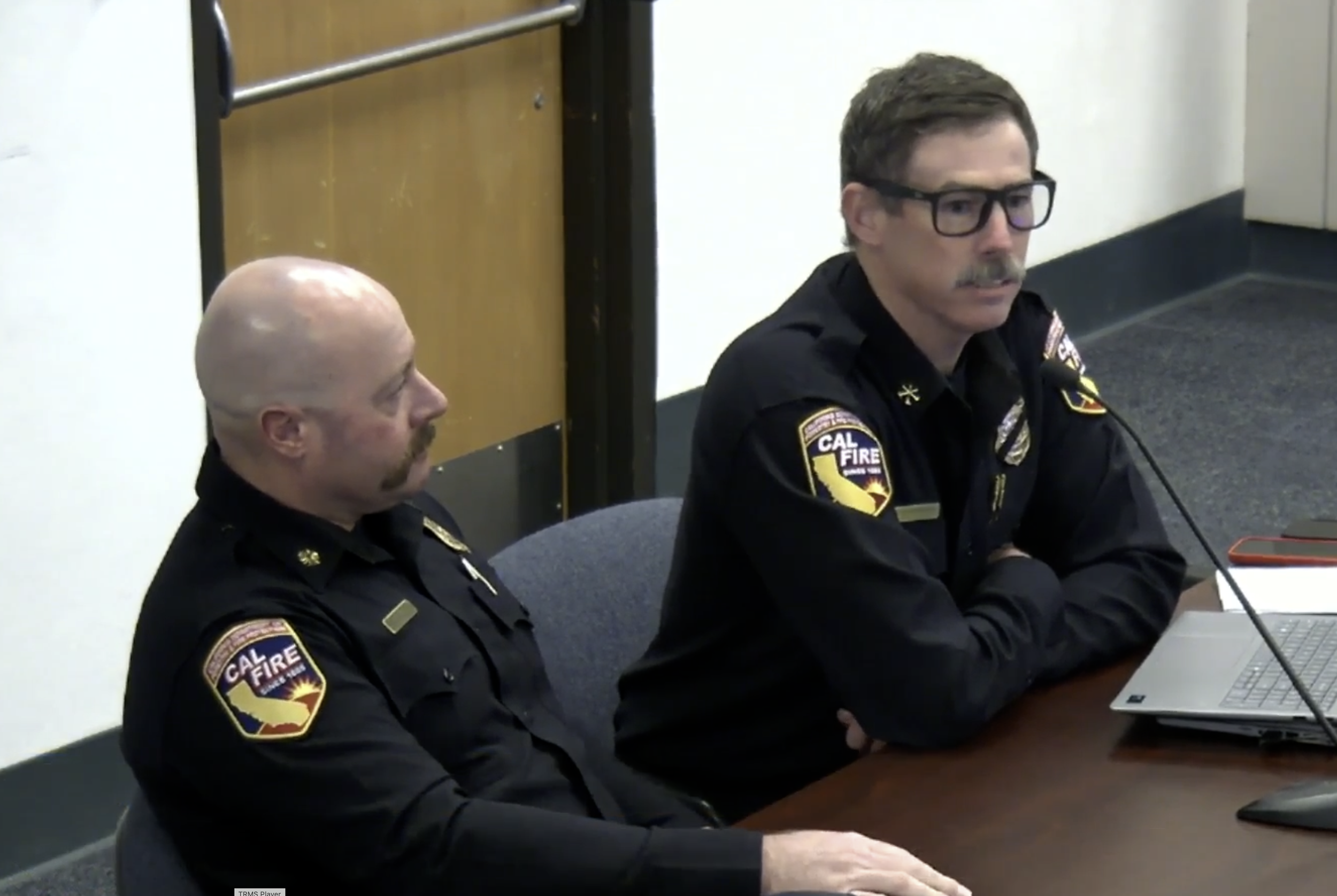
Before any vote was taken, CAL FIRE Chief Nick Casci and Assistant Chief Nate Gorham delivered a full presentation explaining the consequences of reducing CAL FIRE funding.
They made it clear that:
Removing funding reduces available fire resources countywide
Fewer firefighters lead to longer response times
Longer response times increase risk to lives, homes, and entire communities
This was professional, expert testimony from the agency responsible for protecting our county.
Public Comment Was Unanimous
Source - Tuolumne Access
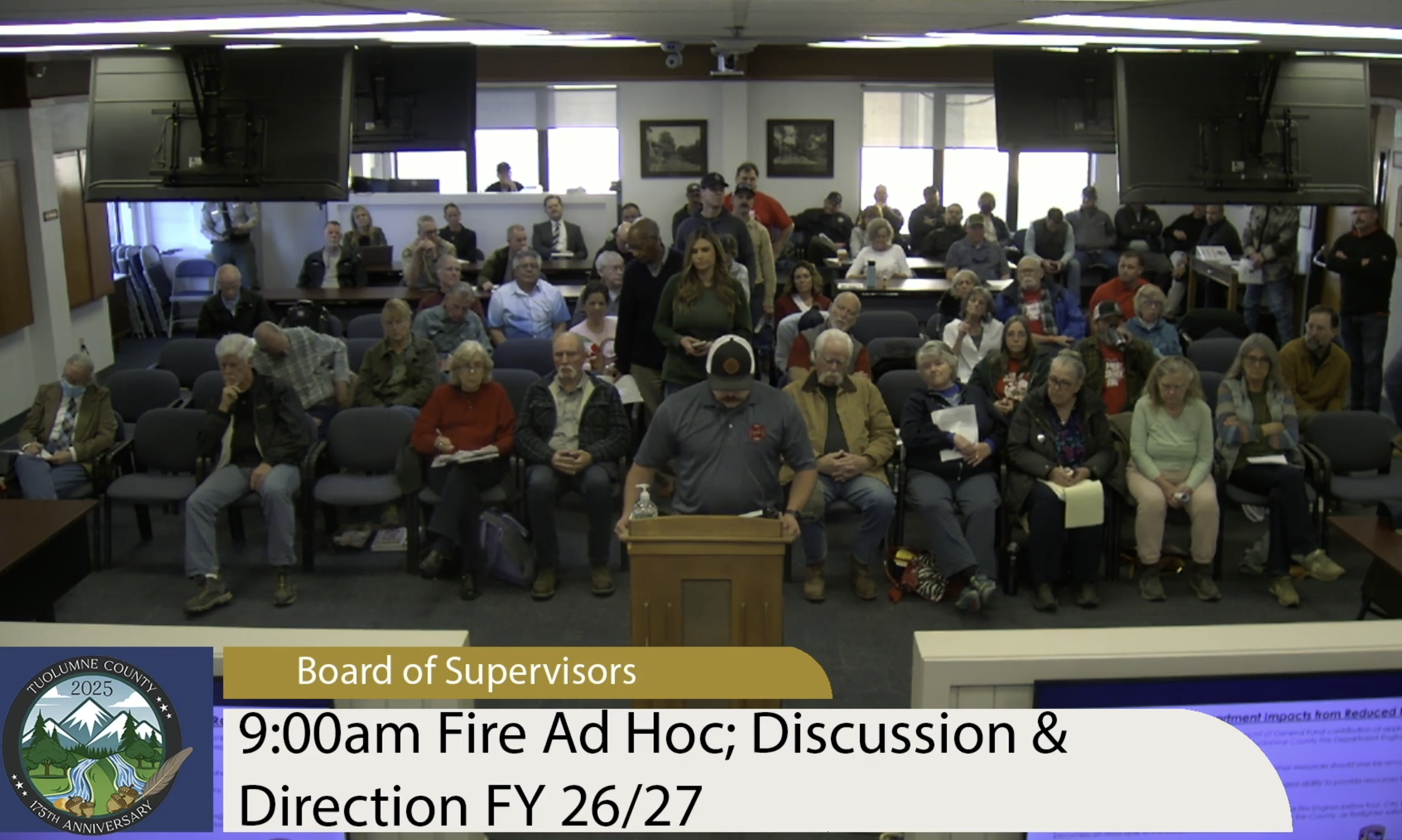
Every person, nearly 20, (including member of the community from both sides of the aisle as well as actual CAL FIRE firefighters) who spoke during public comment opposed losing this funding.
They raised concerns about:
Slower emergency response for fires and medical calls
Higher fire insurance rates
Reduced backup coverage for existing stations
Increased danger during wildfire season
The message from the public was clear and unified.
Why Mono Vista Matters to District 3
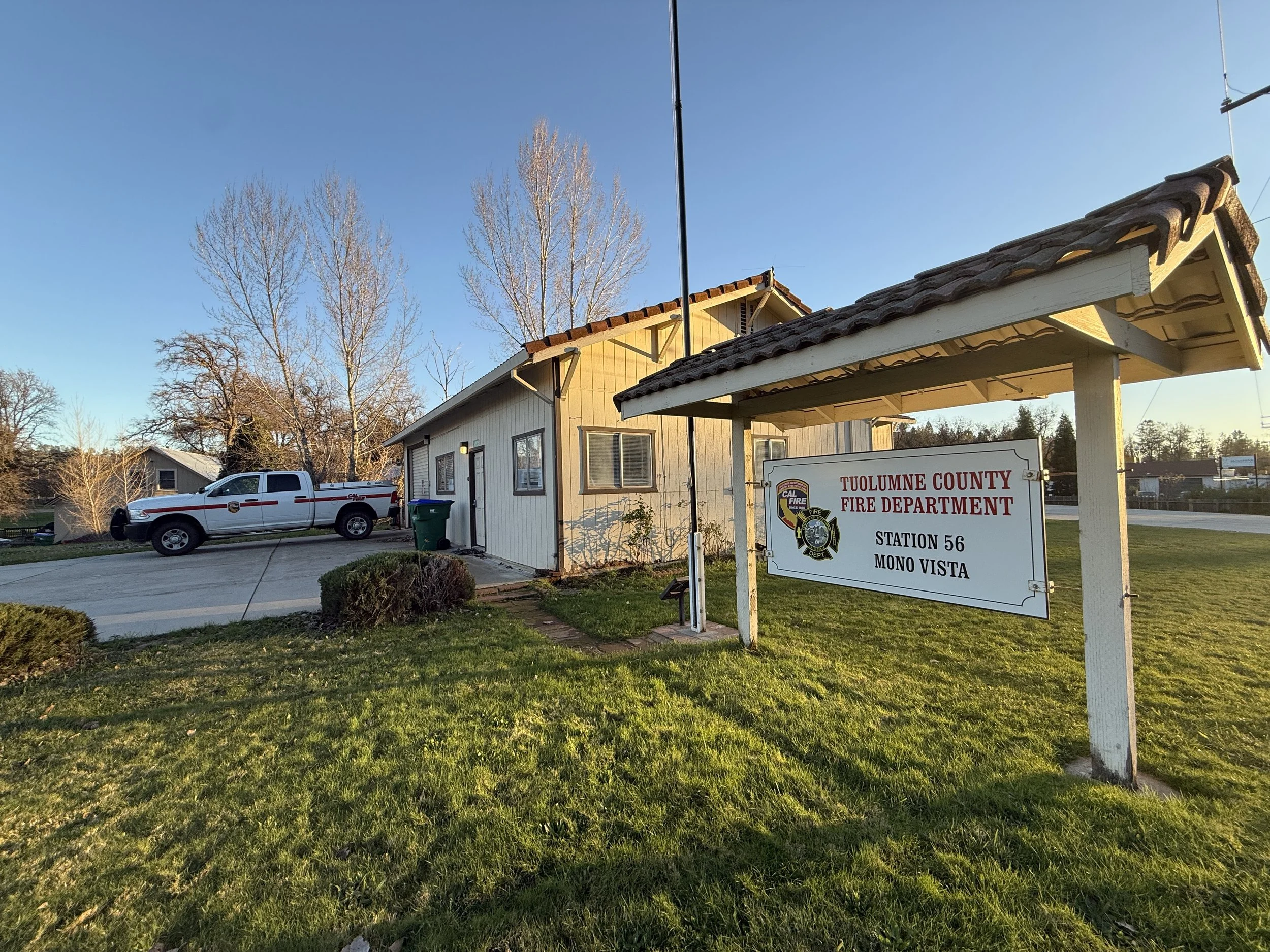
CAL FIRE Station 56 is located in District 2, but it sits directly on the border of District 3. Fire does not recognize district lines.
District 3 contains heavily forested neighborhoods where homes are surrounded by trees. In these conditions, response time is critical. A delayed response can mean the difference between containment and catastrophe, as seen in fires like the Donnell Fire.
Any reduction in countywide fire staffing affects all districts.
What Was Proposed
Source - Tuolumne Access
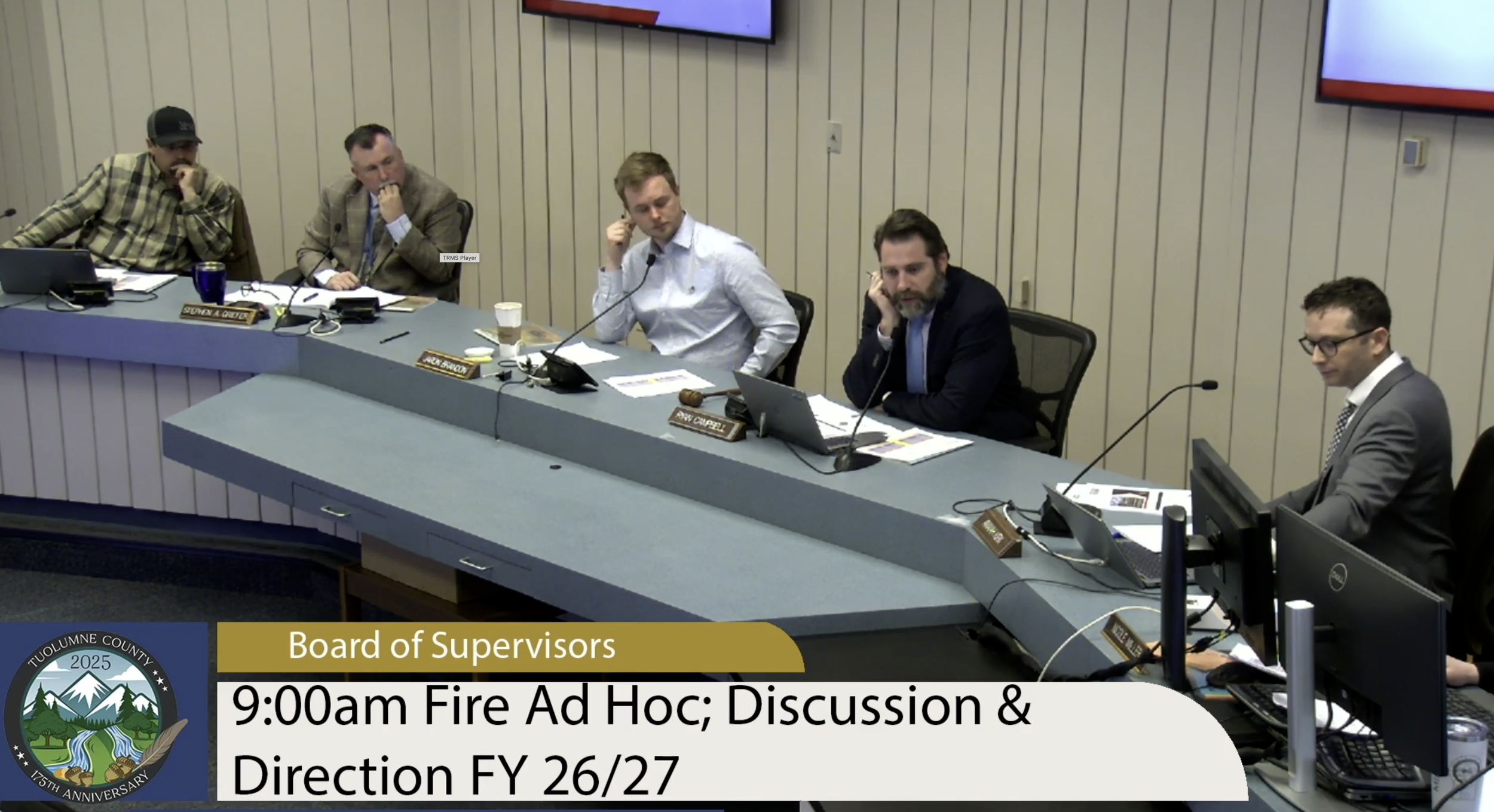
Supervisor Anaiah Kirk made the first motion regarding fire funding. Keep the funding but cut county department budgets (except Parks and Rec, Law Enforcement, Fire and Tourism) by 5.6%
Supervisor Ryan Campbell attempted to support that motion with fewer restrictions on county services.
“The only reason I recommended what I did was a compromise to you (Kirk). I think we should figure out how to fund it today.”
~ Ryan Campbell (01/06/26 BOS Meeting - 03:02:23)
Then allowing to:
Keep CAL FIRE funding in place
Avoid immediate loss of firefighters and an engine
Use contingency funds as a temporary, one-time solution
Allow time to identify a sustainable long-term funding plan
That motion was not adopted.
The Vote
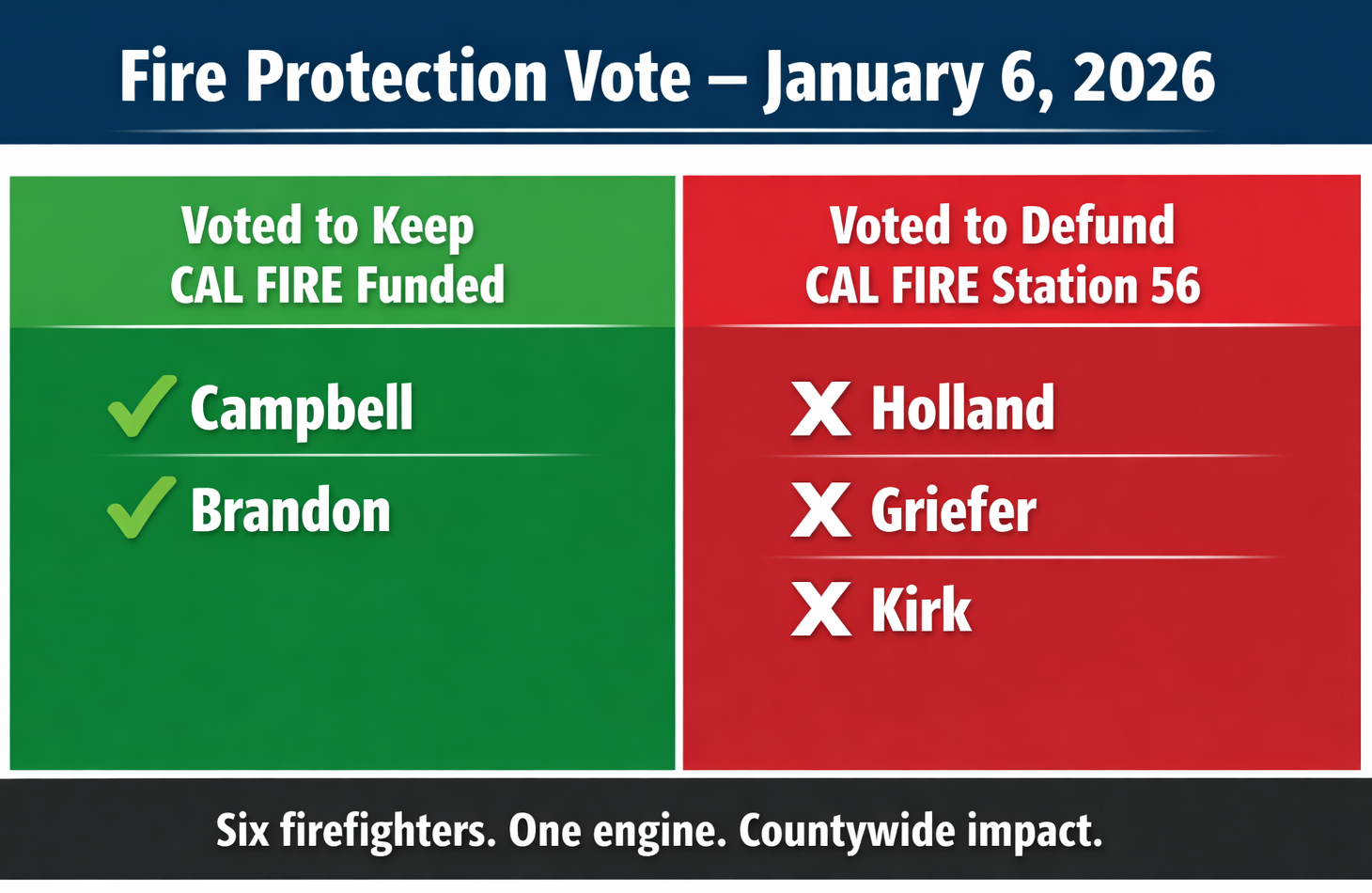
When the final vote was taken:
Supervisors Holland, Griefer, and Kirk voted YES to defund CAL FIRE Station 56
Supervisors Campbell and Brandon voted NO to defund and to keep CAL FIRE Station 56 fully funded
As a result:
Six firefighters were removed from countywide response capacity
One engine was taken out of service
Emergency response times increased
Countywide fire risk increased
Why This Matters
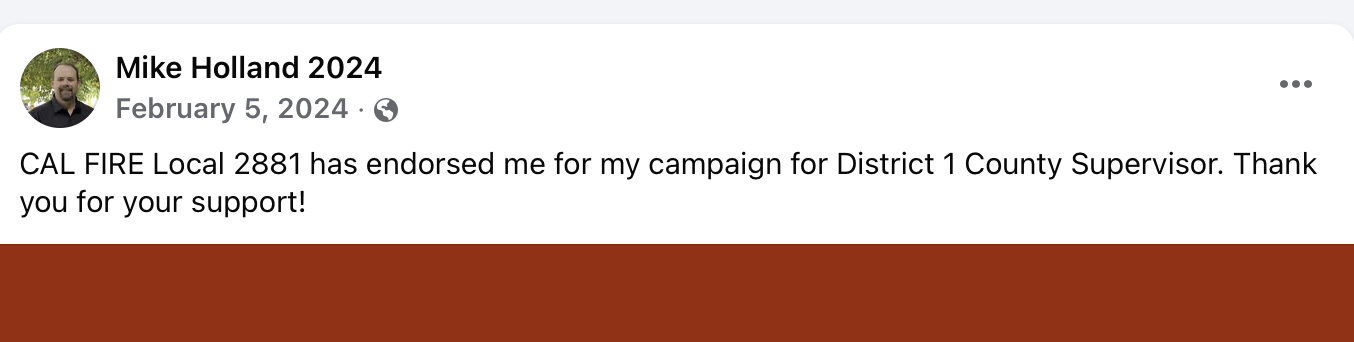
Fire protection was a stated campaign priority for multiple supervisors, including Supervisor Kirk.
On January 6, that priority was tested.
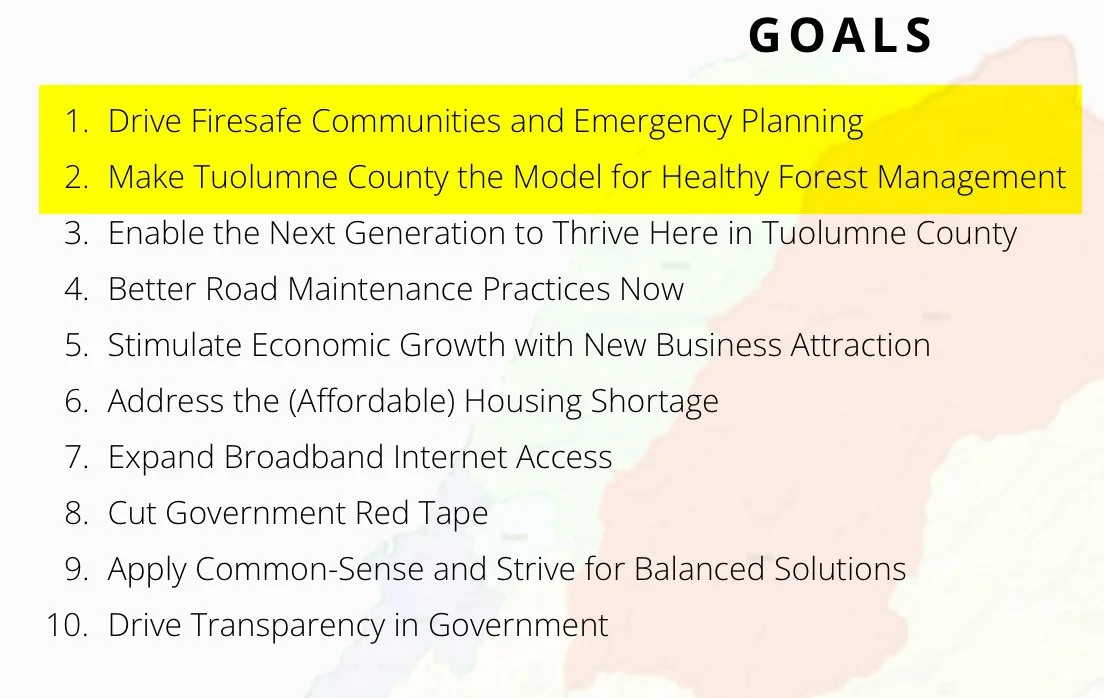
Source: https://anaiahkirk.com/goals/
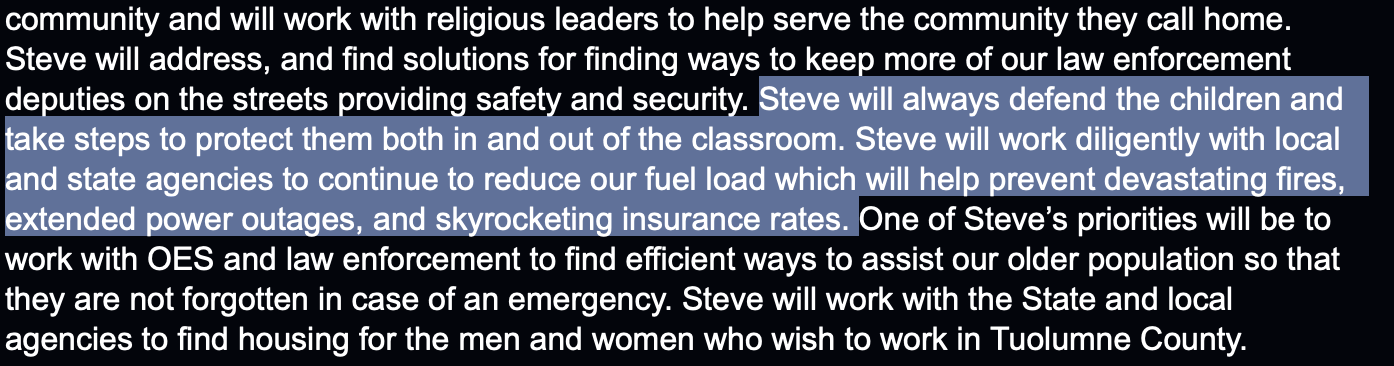
Source: http://stevegriefer.com - July 23, 2023
The outcome was clear.
What I Will Do Differently?
Fire preparedness is not a talking point for me. It is a responsibility.
If elected as District 3 Supervisor, I will do the following differently:
1. Act before we hit the cliff
We knew the SAFER grant was ending and might not be renewed. I will not wait until deadlines force last-minute decisions that put public safety at risk. Fire funding conversations should happen a year in advance, not days before a vote.
2. Treat fire protection as non negotiable infrastructure
Fire services are not optional programs. They are core county infrastructure, just like roads and emergency medical response. I will not support budgets that balance themselves by quietly reducing fire coverage.
3. Listen to experts and residents first
When CAL FIRE leadership spends two hours warning that cuts will increase response times and risk, that input matters. When every public speaker says do not cut fire, that matters. I will weigh expert testimony and public input before political optics.
4. Build a sustainable funding plan instead of relying on temporary fixes
I will push for permanent, transparent funding mechanisms that keep firefighters on the ground year after year.
5. Be honest about tradeoffs
Leadership means being upfront with the public about costs and options, not presenting false choices or creating last-minute theatrics. Fire protection deserves honesty, not spin.
Creative, Realistic Ways to Fund Fire Services
This is important: these are not pie-in-the-sky ideas. Variations of these are already used across rural and mountain counties in California.
A. Dedicated Fire Protection Funding (Not in the General Fund)
Many counties separate fire funding from the general fund so it cannot be quietly absorbed elsewhere.
How this helps:
Guarantees fire dollars are actually spent on fire
Builds public trust
Makes future grants and partnerships easier
Example approach:
A clearly defined Fire Protection Fund
Annual public reporting on staffing, engines, and response times
B. Targeted, Voter Approved Fire Safety Measure
Several rural counties have passed narrow, purpose-built measures that fund fire and emergency response only.
Key lesson from other counties:
Broad taxes fail. Narrow, clearly defined measures pass.
What works:
Funds restricted to fire staffing, engines, and equipment
Independent oversight
Sunset clauses with renewal votes
Voters are more willing to support funding when they know exactly where the money goes.
C. Insurance and Risk Reduction Partnerships
Some counties work directly with insurers and state programs to tie funding to risk reduction, not just response.
This can include:
Vegetation management programs
Home hardening incentives
Fuel break maintenance tied to response zones
Lower risk = lower insurance pressure = stronger economic stability.
Fire funding should be viewed as insurance stabilization, not just emergency spending.
D. Fair Share Contributions from High Risk Development
Other counties require fire mitigation or impact fees for developments in high fire severity zones.
This ensures:
New development helps fund the protection it requires
Existing residents are not carrying the full burden
This is about fairness, not growth restriction.
E. Stop Using Crisis as a Budgeting Tool
The biggest lesson from other counties is this:
Fire funding works best when it is boring, predictable, and planned, not when it is decided under pressure.
I will push for multi-year fire funding forecasts so we are never forced into last-minute cuts again.