Changing the Current
It began with a scream!
Not the kind you hear in a horror movie. Not loud. Not theatrical. The kind that slices through the air because it isn’t meant to be heard at all.
A child was in the river.
The current was fast that day, swollen from spring runoff, churning brown and cold. Water that doesn’t forgive hesitation. Without thinking, a woman on the bank kicked off her shoes and dove in. She grabbed the child under the arms and fought the current until she could drag them onto the shore.
The child coughed. Cried. Lived.
Before anyone could exhale, another scream. Another child. Then another.
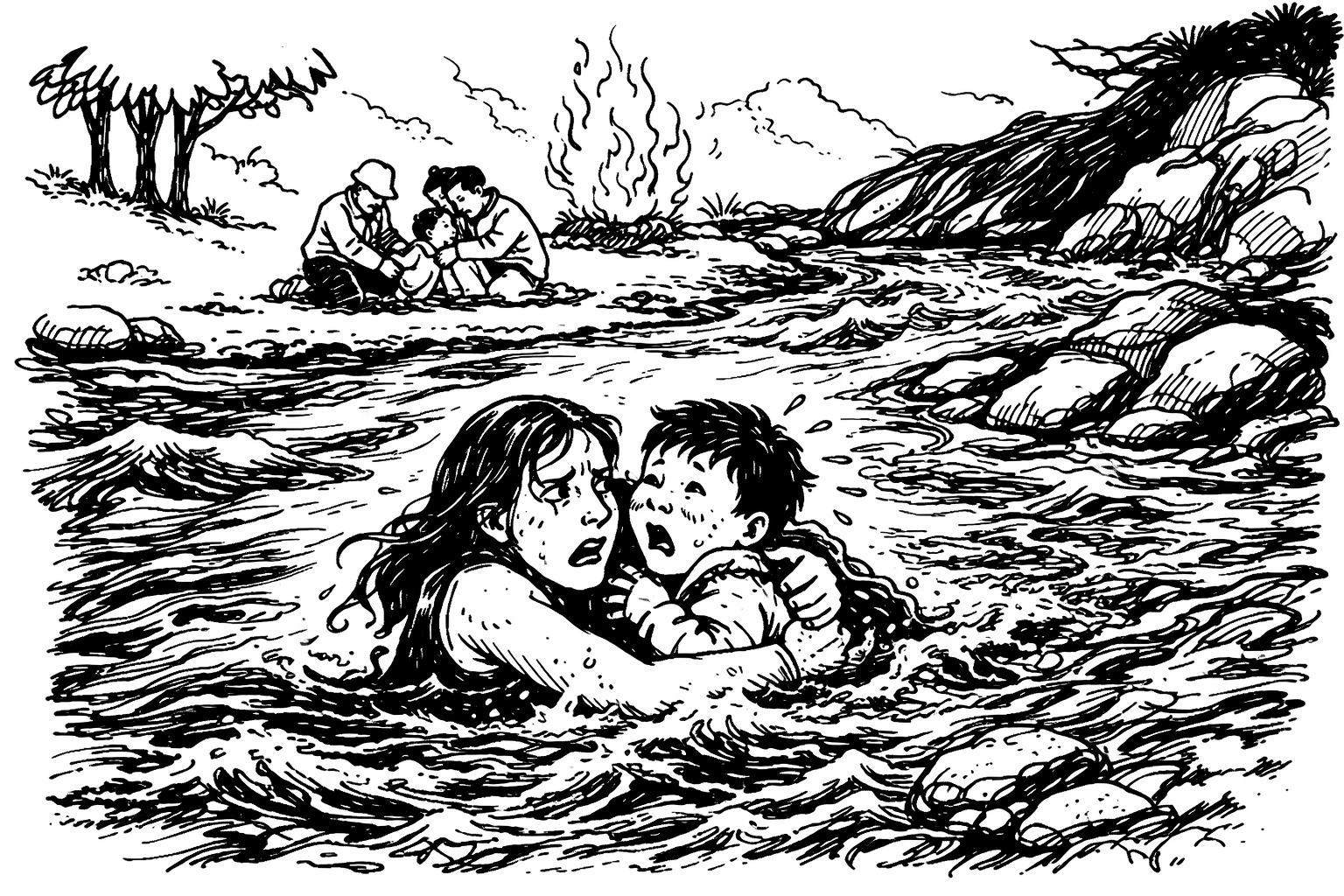
Soon the river was full of them, small bodies thrashing, disappearing, resurfacing. People came running from town. Teachers. Neighbors. Grandparents. Firefighters. They formed lines along the banks. They dove in. They pulled children out. They wrapped them in blankets. They performed CPR. They built warming fires.
The work was relentless. The rescuers were heroes. But the river did not stop.
Every time someone collapsed from exhaustion, another volunteer stepped in. The town grew proud of its bravery. They organized shifts. They held fundraisers for better ropes, better life vests, stronger swimmers. They trained faster lifeguards. They got very, very good at saving children from drowning.
And still, the river did not stop.
One evening, as the sun dropped low and the rescuers’ arms trembled from fatigue, an old woman who had been silently handing out towels all day set one down. She looked at the water. Then she looked upstream. And she asked a question that felt almost cruel in its simplicity:
“How did these children fall in the river?”
The question landed like a stone. Some bristled.
“This is not the time,” they said.
“Can’t you see we’re busy?”
“Children are drowning.”
But the old woman did not move.
“I know,” she said softly. “That’s exactly why I ask.”
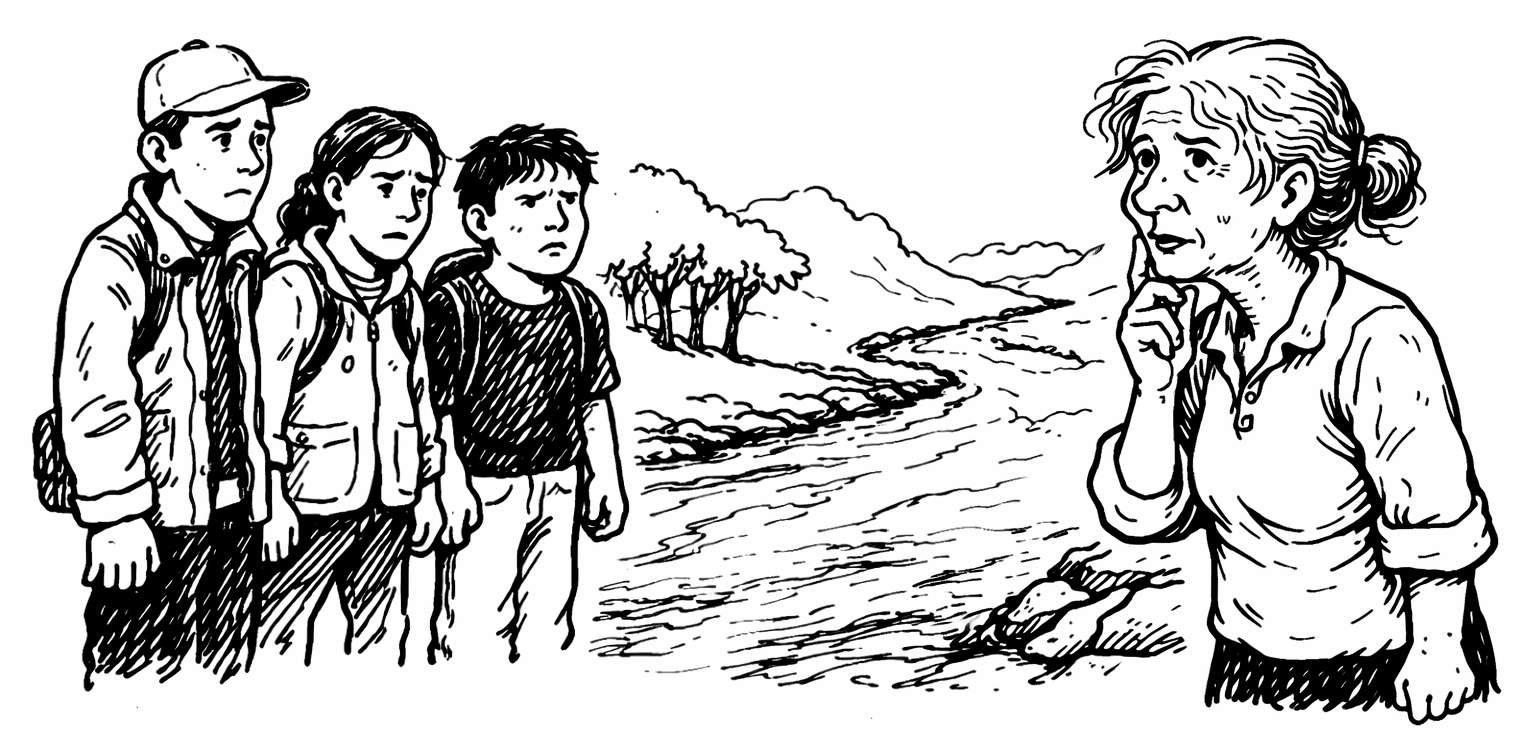
Because somewhere upstream, beyond the bend, beyond the trees, beyond where anyone on the bank could see, something was happening.
Maybe children were wandering too close to the edge because no one was watching. Maybe someone forgot to fix a broken bridge. Maybe someone was pushing them. Maybe the riverbanks had eroded so badly that a single misstep meant disaster. Maybe families were struggling alone. Maybe no one had ever been taught how dangerous the current could be.
Whatever it was, the drowning would never end if all they did was pull children out downstream.
So a few people (not the strongest swimmers, not the most celebrated heroes) quietly began walking upstream.
The town didn’t cheer them. In fact, some resented them.
“We need you here,” they said.
“You’re abandoning the children.”
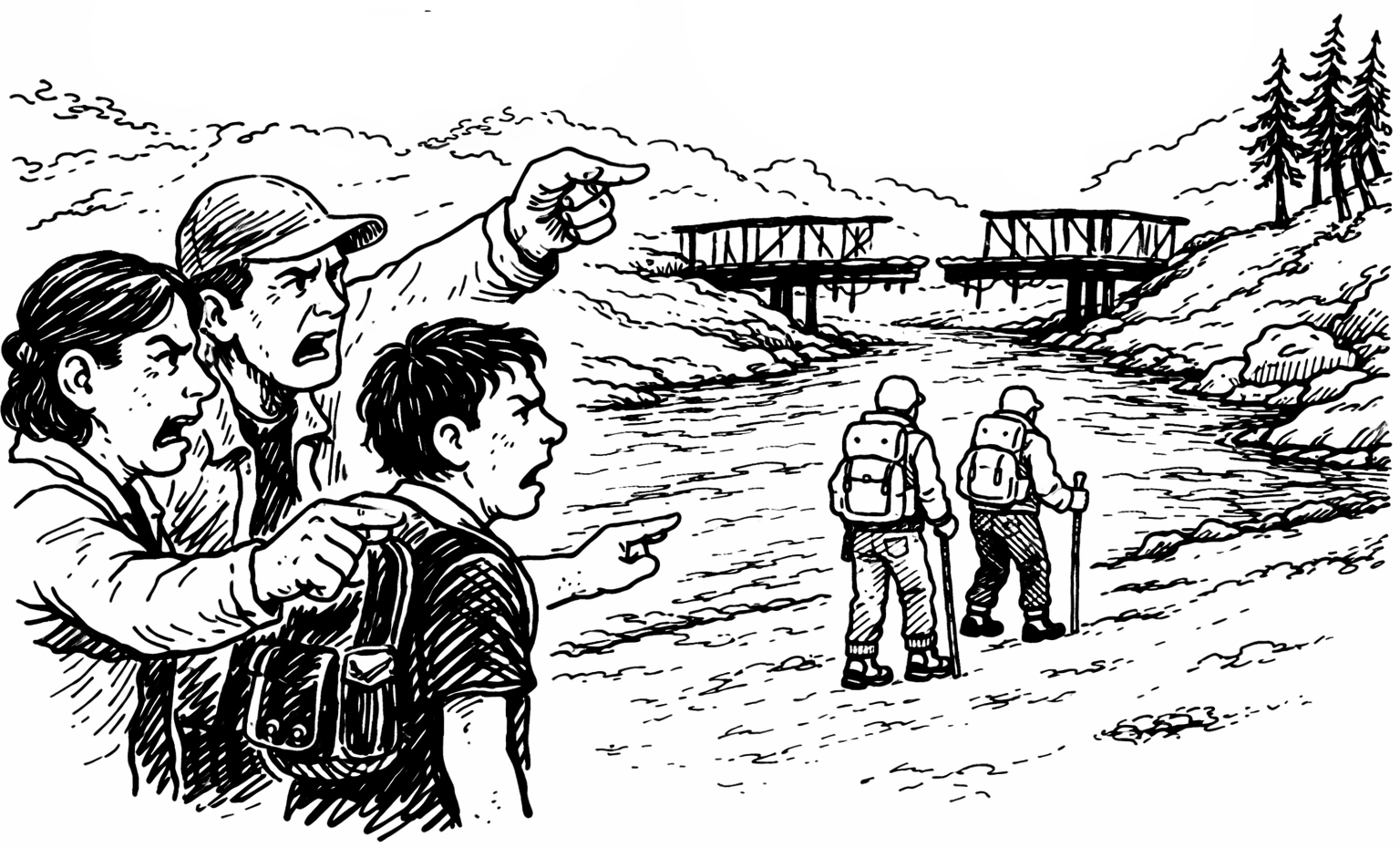
But they kept going. Because saving a child from drowning is urgent. Stopping children from being pushed into the river is essential.
And if you want the river to calm, if you want the screaming to stop, if you want fewer blankets and fewer funerals and fewer exhausted heroes collapsing on the shore…Someone has to go upstream.
What “Going Upstream” Actually Means
Let me be absolutely clear about something. If someone abuses a child or exploits an elder, they must be caught. They must be prosecuted. They must be removed from situations where they can harm again.
There is no softness in that statement.
Accountability protects the next potential victim.
But we also have to understand something honest and uncomfortable. Most predators are not pausing in the moment to calculate consequences. They are not thinking about staffing levels in the District Attorney’s office. They are not reviewing sentencing guidelines.
Abuse does not typically happen because someone decided the legal risk was acceptable.
It happens in secrecy. It happens in dysfunction. It happens where there is access, silence, vulnerability, and isolation.
That means prosecution is essential.
But prosecution is not prevention. It addresses harm after it has already occurred.
If we truly want fewer children harmed and fewer of our elders exploited, we must reduce vulnerability before abuse happens. The NIJ (research arm of the U.S. Department of Justice) has repeatedly emphasized that enforcement alone does not reduce victimization rates without prevention and protective factor strategies.
What I Learned About Prevention
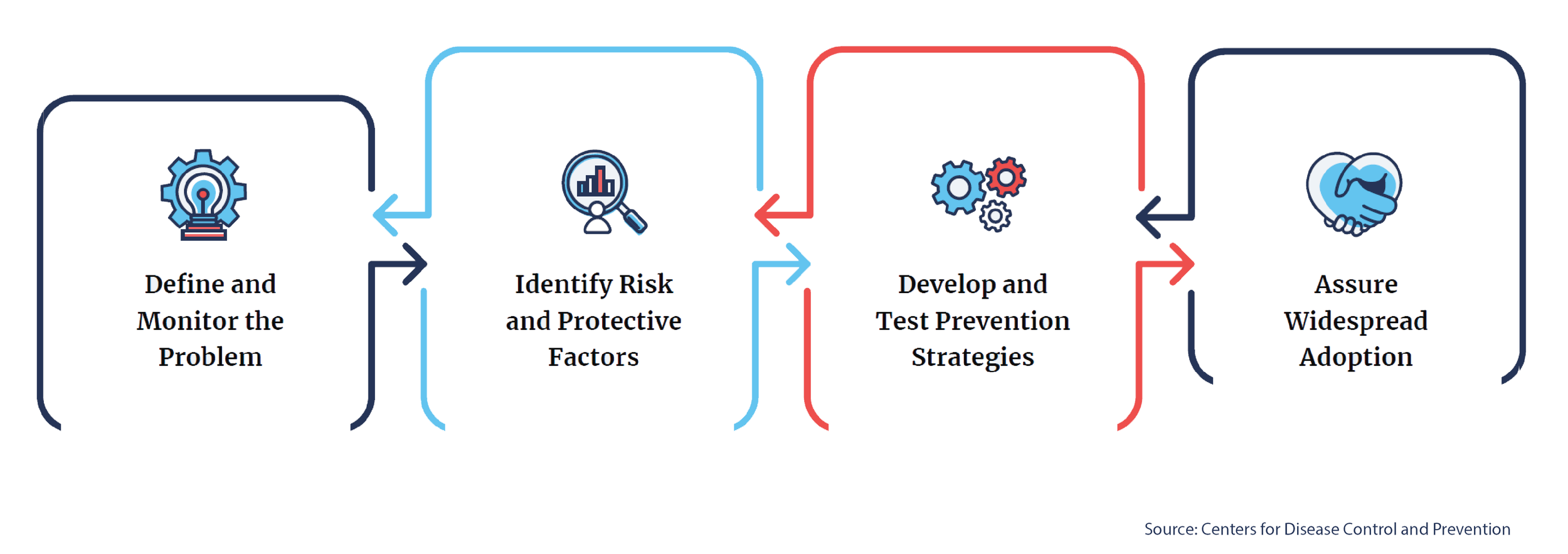
When I worked at the Center for a Non Violent Community, I learned something that changed me.
Children who understand their worth are harder to silence. Children who have even one positive, trusted adult are more likely to avoid sexual abuse, and speak up. Families with support systems are less isolated. Communities that talk openly about abuse reduce secrecy.
Prevention is not naive optimism. It is structured work.
It looks like teaching children about body autonomy in ways that are appropriate for their age. It looks like building confidence so they recognize when something feels wrong. It looks like training adults to recognize grooming behaviors. It looks like creating clear and safe reporting pathways. It looks like supporting overwhelmed parents before stress turns into harm. It looks like ensuring our seniors are not isolated targets for exploitation.
Prevention strengthens the banks of the river. It does not assume evil disappears. It reduces opportunity. It increases awareness. It shortens the time between harm and disclosure.
It protects the child before law enforcement ever receives the call.
The Leadership Question
Every healthy community must do both. Rescue those in the water. And address what’s happening upstream.
If we focus only on what happens after the trauma, we commit ourselves to an endless cycle of response. We become very good at reacting. We build bigger systems downstream. More emergency response. More prosecutions. More crisis intervention.
Don’t get me wrong, those things matter. They are necessary. They save lives.
But if we invest in prevention, we change the trajectory.
Fewer children enter the river. Fewer elders are isolated. Fewer cases ever reach prosecution.
That is not weakness. That is strategy. And it is care for the next generation.
Here is where leadership gets uncomfortable.
Because prevention is harder to measure… Arrests can always be counted. Prosecutions show up on reports. Emergency responses arevtracked. There is a visible return on investment.
But how do you measure the child who was never abused? The elder who was never isolated? The family that never reached a breaking point because someone stepped in early?
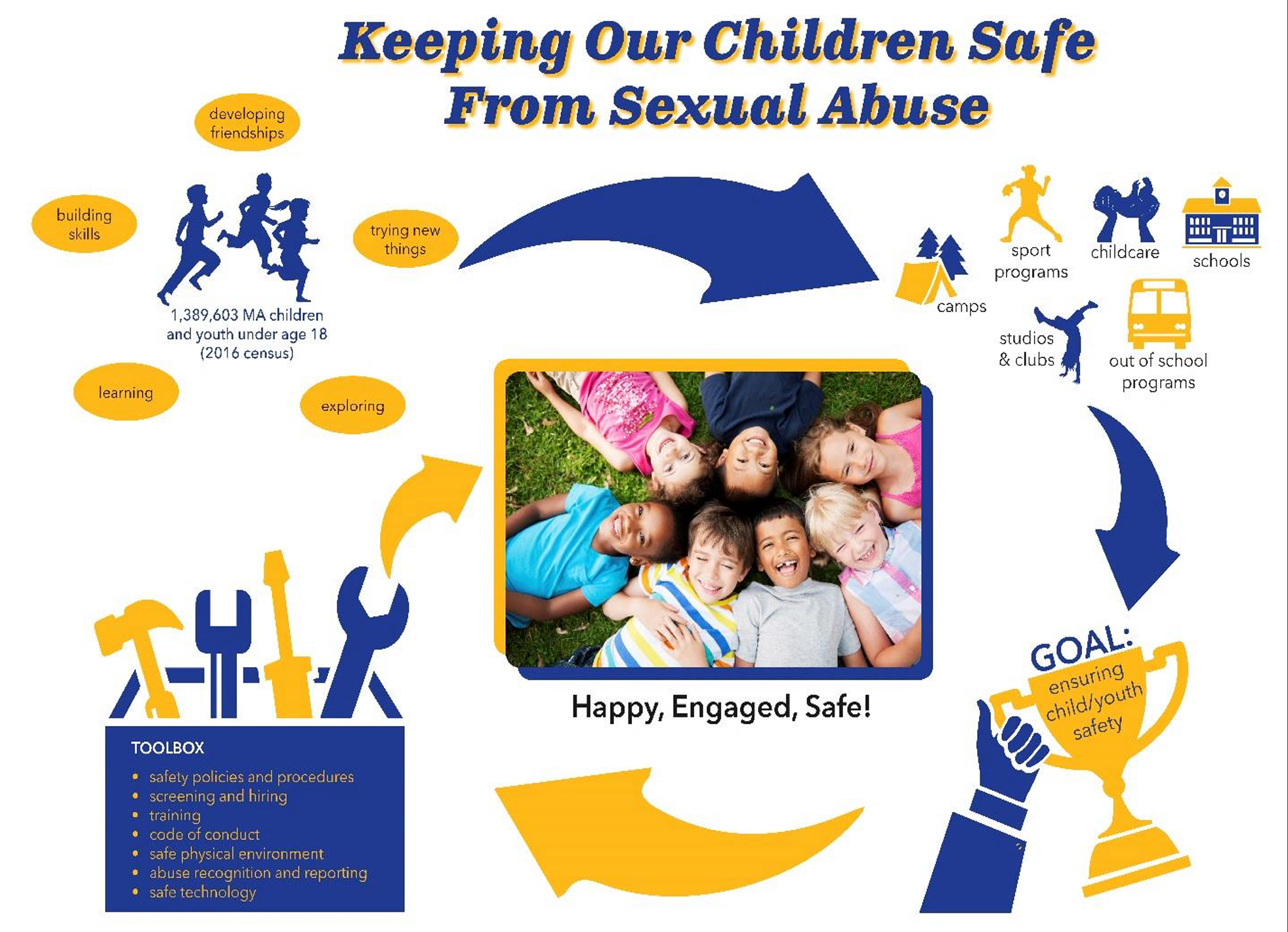
Provided by: The Massachusetts Legislative Task Force on Child Sexual Abuse Prevention
You cannot easily count what did not happen.
And yet that is exactly what real leadership requires us to value.
What I know about grants, about government, and about people in general is this… funders want measurable results. They want charts. They want numbers. They want proof.
Prevention demands something deeper. It demands long term thinking. It demands patience. It demands leaders who are willing to say, we may not see dramatic headlines tomorrow, but ten years from now this community will be stronger.
That is the leadership question. Are we only willing to fund what we can count? Or are we willing to invest in what truly changes the current?
Because if we only reward downstream results, we will always be busy pulling children from the water. If we are serious about the next generation, someone has to keep walking upstream.
If we are honest
This is not just about abuse prevention. It is about how we lead.
Too often, our county operates in reaction mode. A decision is made. The consequences surface. Then we scramble to correct course.
We saw it with the vote to defund the Cal Fire at Station 56. The community reaction was immediate and intense. Now there is an effort to walk that decision back.
We saw it when a proposal surfaced to charge visitors to access Pinecrest without fully accounting for how District Three businesses (long with the rest of the county) rely on tourism. That proposal also had to be “reconsidered”.
These are not small issues. They affect public safety. They affect small businesses. They affect trust.
The same pattern shows up in our budget.
Every year they scramble. They shift funds. They plug holes. They celebrate short term fixes. They argue over who gets cut and who gets protected. And then They do it again the next year. That is not a budget crisis. That is a planning crisis.
If They only focus on the downstream emergency, They will always feel like They are drowning financially. They will call it a deficit. They will call it a revenue problem. They will call it a staffing problem. But what they really have is a long term strategy problem.
Just like prevention, real fiscal stability requires upstream thinking. Multi year planning. Honest forecasting. Structural adjustments. Patience. Discipline. A long term plan is not exciting. It does not produce headlines tomorrow. It does not give anyone a quick political win.
But it changes the current.
Leadership is not about making a decision and adjusting after backlash. Leadership is about anticipating impact before the vote is cast.
Prevention is not just a child safety concept. It is a governing philosophy.
It asks different questions.
What are the downstream effects of this vote? Who will this decision impact six months, a year, 5 years from now? What unintended consequences are we creating? Is there a long term plan, or are we responding to the loudest moment?
Reaction creates instability. Prevention creates confidence, long term solutions, and a stable local economy.
Our county deserves leadership that is ALWAYS thinking ahead, not trying to backtrack and rewrite yesterday’s headlines.
Our county deserves more.