This Is Not How Emergency Services Should Be Moved

Tomorrow, Tuesday, April 28, the Tuolumne County Board of Supervisors is scheduled to move the Office of Emergency Services, commonly known as OES, under the control of the Sheriff’s Office.
On the surface, that may sound like a simple administrative move. It is not.
This is much bigger than moving one department from one office to another. This is about who has emergency authority in Tuolumne County. It is about who controls major decisions during a declared emergency. It is about county funds, emergency spending, public safety powers, and the legal process that is supposed to protect the public from rushed decisions.
And once again, this Board appears to be trying to move fast, keep the public behind the curve, and clean up the details later. That is not good government. That is not transparency. And when it comes to emergency services, it is not acceptable.
What OES Does
The Office of Emergency Services is the county office responsible for emergency planning, disaster response coordination, recovery planning, grants, communication between agencies, and making sure Tuolumne County is prepared when something goes wrong.
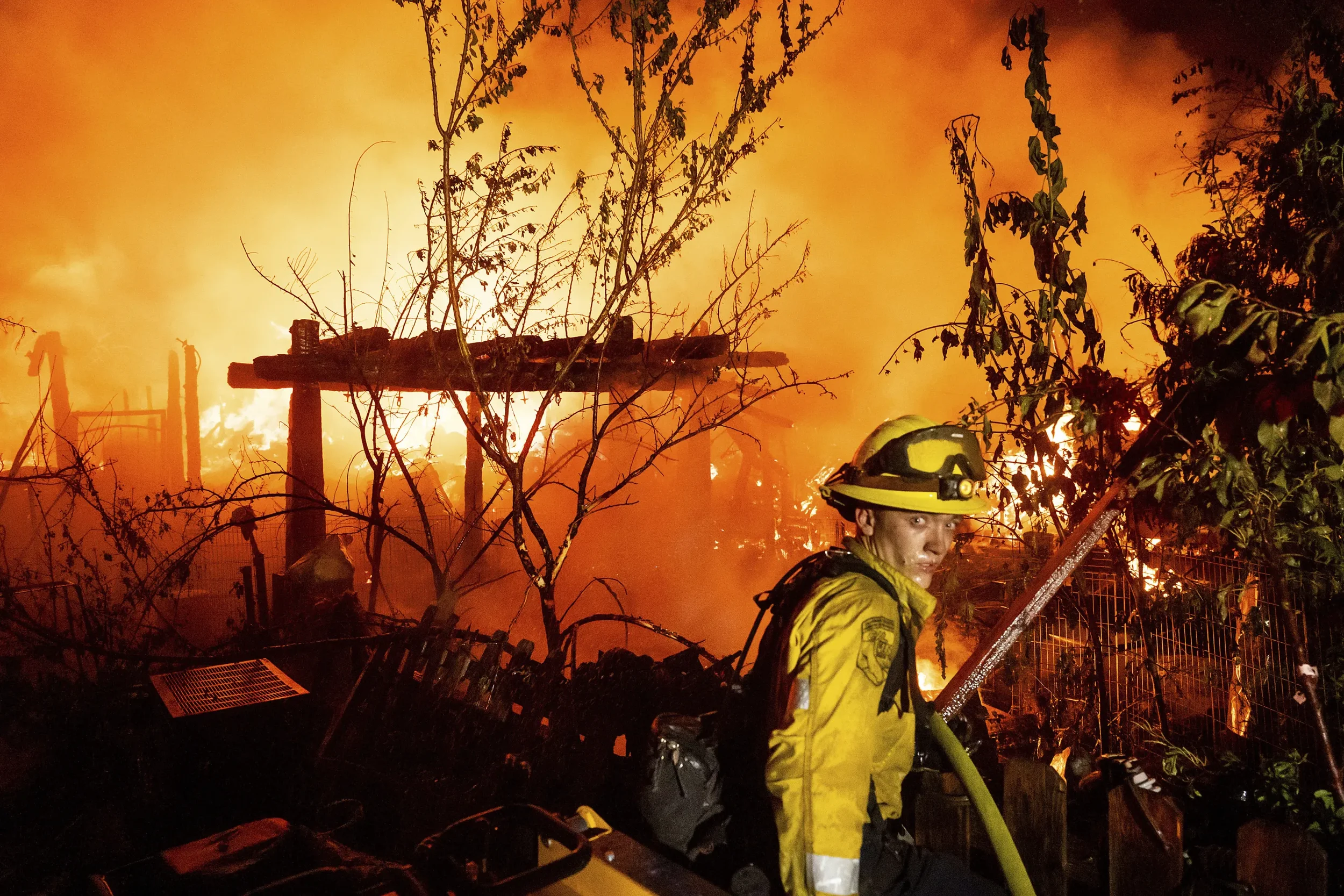
That includes wildfire, winter storms, flooding, extreme heat, evacuations, power outages, major accidents, and other disasters.
OES is not just a law enforcement function. It touches fire, roads, public health, public works, schools, utilities, tribal governments, Cal Fire, the City of Sonora, community organizations, and other agencies.
That is why it has historically been under the County Administrator’s Office.
The current county ordinance says the County Administrator is the Director of Emergency Services. It also creates an Assistant Director position to handle the day-to-day emergency services program.
That structure matters because OES is countywide. It is not just about policing. It is about coordinating all parts of county government and all partner agencies before, during, and after a disaster.
What The Board Is Being Asked
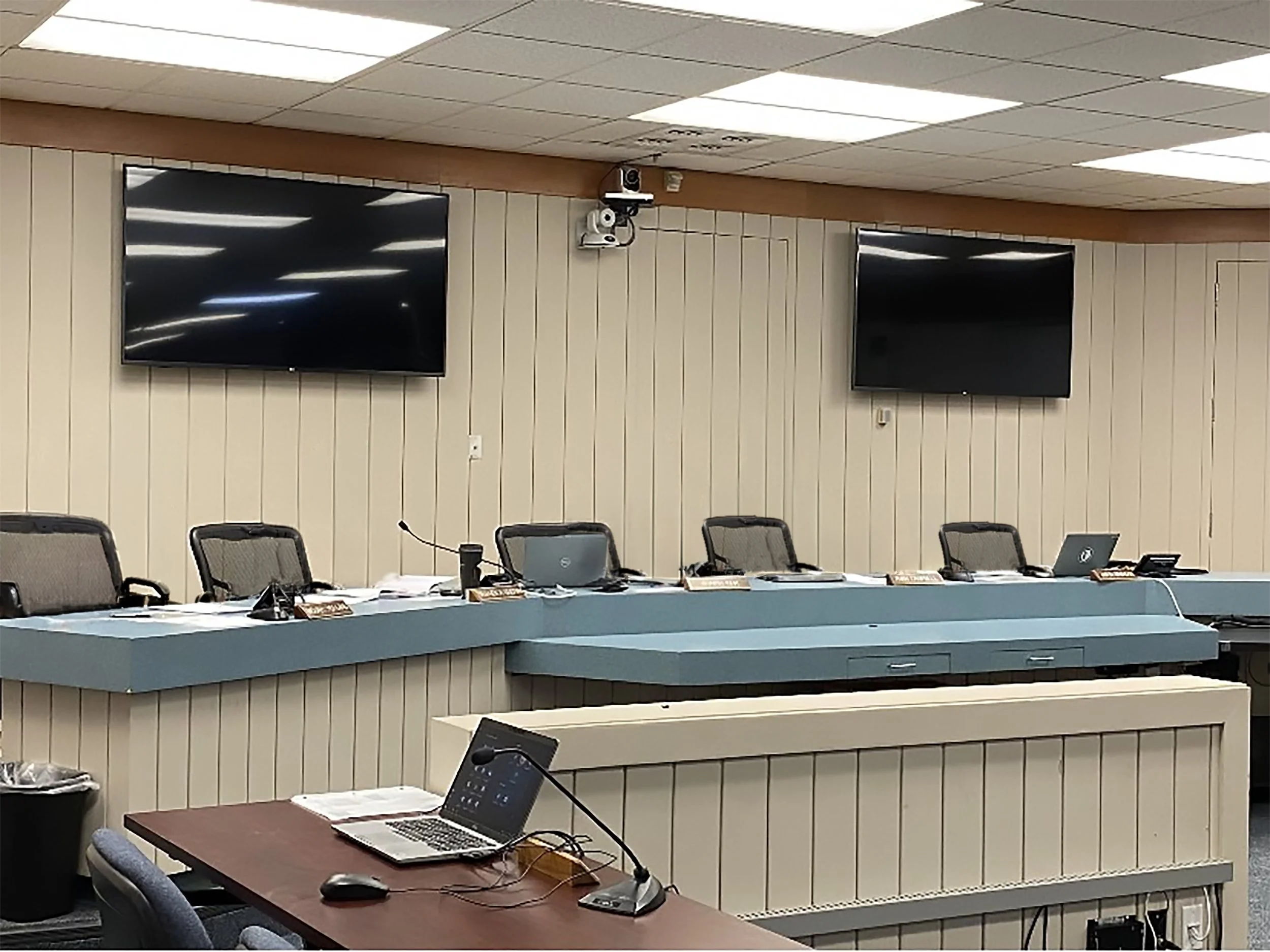
The Board is being asked to approve a resolution that would move OES under the supervision of the Sheriff’s Office immediately.
The staff memo says that on March 24, 2026, the Board directed staff to investigate moving OES under the Sheriff and to bring back an ordinance code change. But instead of bringing the full ordinance change first, the memo recommends approving a resolution now and updating the ordinance later.
The proposed resolution says that beginning April 28, 2026, OES operations will be moved under the Sheriff. It also says that beginning July 1, 2026, OES cost centers will be moved under the Sheriff Fund. Then it says the ordinance will be amended “in the near future.”
That should concern everyone. In plain English, they are trying to give the Sheriff the authority now and change the law later.
That is backwards.
If the county ordinance says the County Administrator is the Director of Emergency Services, then the Board should change the ordinance first. That process requires proper legal review, public notice, a first reading, and a second reading.
That gives the public time to understand what is happening. That gives County Counsel time to clean up the language. That gives partner agencies time to ask questions. That gives the Board time to explain exactly what powers are being moved, who will have them, and what checks and balances will remain in place.
Instead, this resolution appears to move the authority first and promise to fix the ordinance later. That is exactly the kind of under-the-radar government that people are tired of.
This Is Not Just An Org Chart Change
If this were only about who supervises one employee, that would be one thing.
But Chapter 2.40 of the Tuolumne County Ordinance Code gives the Director of Emergency Services broad authority during a declared local emergency.
That authority can include the power to redirect county funds for emergency use, suspend standard county procurement procedures, require emergency services from county employees, use private resources with compensation, enter into mutual aid agreements, establish curfews, order evacuations, restrict traffic, limit public gatherings, curtail commercial activity, and control the distribution and use of food, fuel, clothing, materials, goods, services, and other resources.
Read that again. Redirect county funds. Suspend normal procurement rules. Control public movement. Curtail commercial activity. Use private resources.
Those powers may be necessary during a true emergency. Nobody is saying emergency authority should not exist. But the question is simple. Who gets that authority? Who oversees it? Who controls emergency spending? What role does the County Administrator still have? What role does the Board have? What happens to the Assistant Director position? Who is next in line if the Director is unavailable? Who coordinates with fire, public works, public health, schools, utilities, tribes, the City of Sonora, Cal Fire, CHP, Red Cross, and other agencies?
These are not small details. These are the details. And they should be answered before the vote, not after.
The Sheriff is Not The Issue.
The Process Is.
I want to be very clear. This is not about attacking the Sheriff. This is about the Board of Supervisors and how they continue to operate.
Over and over again, this Board has taken major decisions and pushed them forward before the public has had a real chance to understand the consequences. They present something as if it is just a simple administrative decision, when in reality it changes how power, money, and authority flow through county government.
That is what appears to be happening here. If the Board believes OES should be moved under the Sheriff, then make the case publicly. Bring forward a full marked-up ordinance. Show us exactly what language is changing. Explain why the current structure is broken. Explain what problem this solves. Explain why this cannot wait for the proper ordinance process. Explain what checks and balances will be in place. Explain whether the Sheriff will have the power to redirect funds and suspend procurement. Explain whether the CAO will still have to approve emergency expenditures. Explain what happens to the Assistant Director. Explain how this affects grants, recovery work, disaster planning, and coordination with outside agencies.
Do not just pass a resolution and tell the public the ordinance will be cleaned up later. That is not how this should work.
Why This Matters For District 3
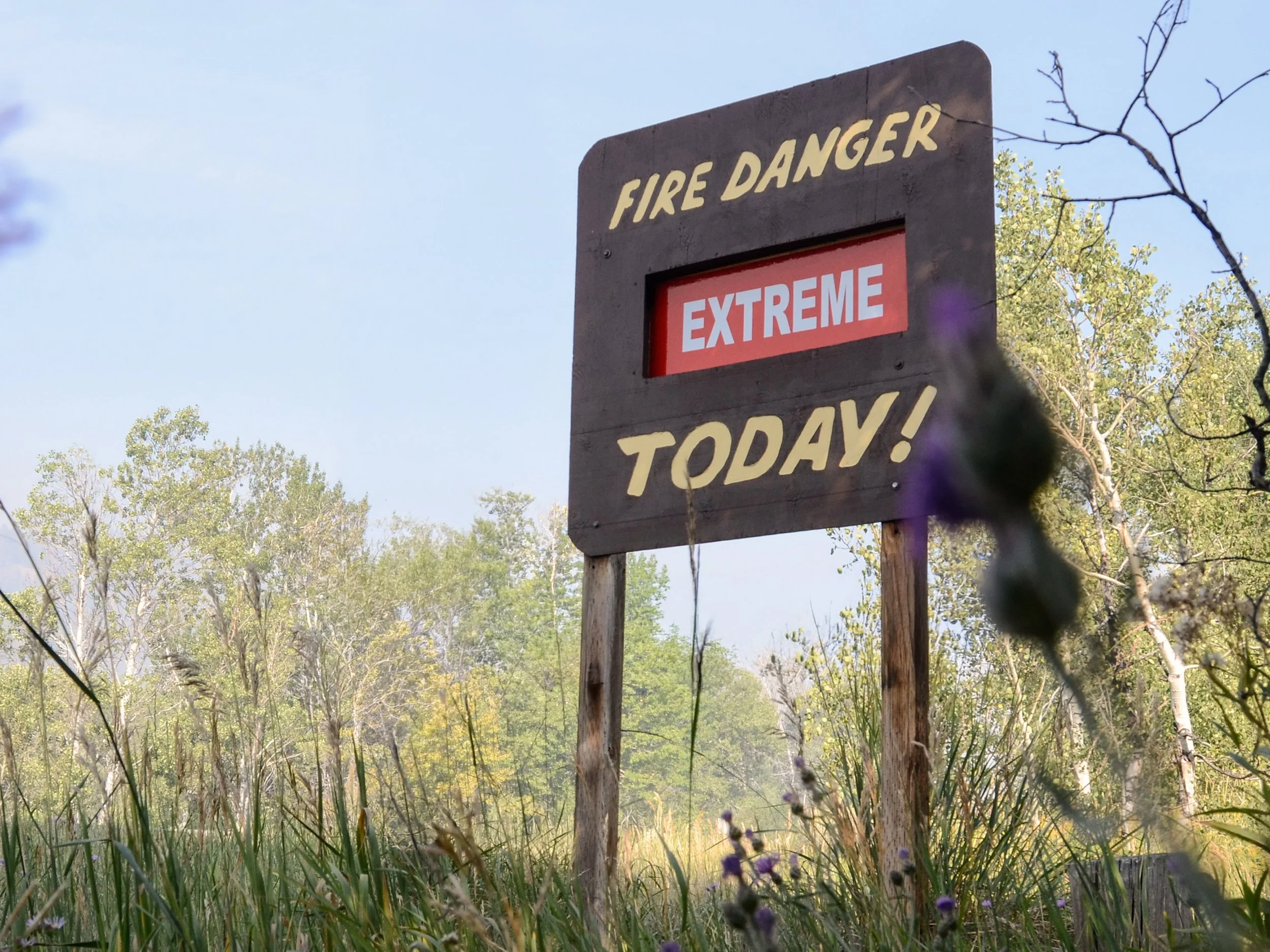
For those of us in District 3, this matters in a very real way. We live with wildfire risk. We live with winter storms. We live with dangerous roads, evacuation concerns, limited access, power outages, tree mortality, insurance problems, and the constant reality that emergency planning is not theoretical here. When something goes wrong, we need a county emergency services system that is ready, coordinated, transparent, and trusted. We do not need political reshuffling. We do not need rushed decisions. We do not need emergency authority moved around without a full public explanation.
We need confidence that the people in charge are making careful decisions.
Right now, this does not feel careful. It feels rushed. It feels like the Board is once again trying to push something through before the public fully sees what is happening.
The Big Question

The biggest question tomorrow is not whether the Sheriff is capable.
The biggest question is this: Why is the Board trying to give the Sheriff emergency services authority now, before the ordinance has been legally changed?
That is the question every supervisor should have to answer. If this move is a good idea, it can survive public discussion. If this move is legal and appropriate, it can go through the proper ordinance process. If this move is truly in the best interest of the county, there is no reason to rush it through by resolution first and fix the details later.
Call To Action

I am asking everyone who cares about transparency, public safety, emergency preparedness, and responsible government to attend the Board of Supervisors meeting tomorrow, Tuesday, April 28.
Please show up. Please speak up. You do not have to be an expert. You do not have to give a long speech.
You can simply say “I am concerned about moving OES under the Sheriff before the ordinance has been changed. I want the Board to slow down, bring back a full marked-up ordinance, explain the emergency powers being transferred, and allow the public to review it before any authority changes hands.”
That is enough.
You can also ask “Can a resolution legally override the current ordinance?”
“Why is this being done before the ordinance amendment?”
“Who will control emergency spending?”
“Will the CAO still have oversight?”
“What happens to the Assistant Director position?”
“Who is next in line during an emergency?”
“Why has the public not seen a full marked up version of the ordinance?”
These are fair questions. They deserve clear answers.
Slow Down And Do It Right
Emergency services should not be handled casually. Emergency authority should not be transferred quietly. And the public should not find out after the fact that the Board already made the decision and will deal with the legal language later. That is not transparency. That is not accountability. That is not how you rebuild trust in county government. The Board should slow this down. Bring back the ordinance. Show the public exactly what is changing. Let County Counsel review it properly. Let partner agencies weigh in. Let the public speak. Then make the decision in the open.
When it comes to emergency services in Tuolumne County, we cannot afford under the radar government. We need leadership that respects the process. We need leadership that respects the public.
And we need leadership that understands that emergency preparedness is too important to rush.