A Better Path for Tuolumne County
OES Under the Sheriff Could Create More Risk Than Benefit
Supervisor Anaiah Kirk has a recommendation coming forward tomorrow to place Tuolumne County’s Office of Emergency Services under the Sheriff’s Office.
On the surface, it sounds reasonable. Public safety under one roof. Clear chain of command. Better coordination. But once you look at what OES actually does, and what the Sheriff’s Office is already responsible for, it becomes clear this move could create more problems than it solves.
Let me start with this. I fully support Sheriff David Vasquez and his team. They do an incredible job in one of the most demanding roles in this county.

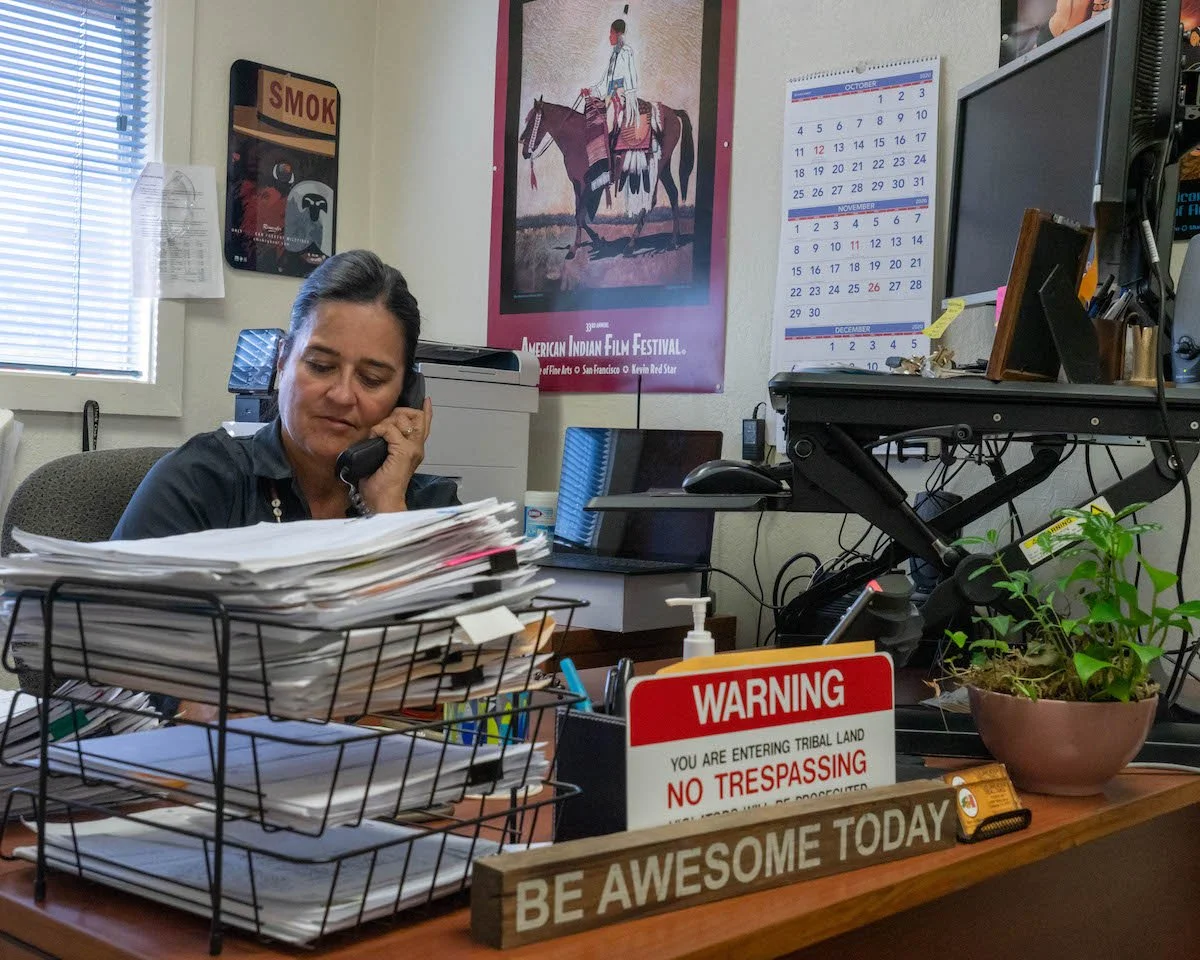
Sheriff David Vasquez and OES Director Dore Bietz
And I also want to recognize our OES Director, Dore Bietz, who is doing outstanding work. She is already operating at a high level, working overtime to bring in grant funding and build a stronger emergency management system for our county. Much of that work is nearly entirely grant funded, which directly benefits our taxpayers.
This is not about people. This is about structure, capacity, and making sure we are not creating gaps in the system we rely on when everything is on the line.
OES Is a Full Time Job
OES is not just activated during emergencies.
It is working year round on wildfire and disaster planning, evacuation coordination and public alerts, state and federal grant funding, interagency coordination, and disaster recovery and reimbursement
That is a full time, specialized function.
The Sheriff’s Office is also a full time job. Law enforcement, patrol, investigations, jail operations, court security, and emergency response already has that department pretty busy every day.
Combining these two roles does not simplify government. It concentrates responsibility in a way that risks both.
Different Roles, Same Mission
During an emergency, every department has a job.
The Sheriff handles law enforcement, evacuations, and security. Fire handles suppression and life safety. Public Works handles roads and infrastructure. OES is the coordinator. It keeps everyone connected, resources moving, and communication clear. That role works best when it is neutral and focused across all departments. Not housed inside one of them.
We Already Have Unified Command
One of the main arguments for this change is the idea of creating a clearer chain of command.
We already have that. It is called the National Incident Management System (NIMS) It is used nationwide and is specifically designed to coordinate multiple agencies during emergencies.
We do not need to reorganize departments to achieve unified command. That system is already in place.
What Happens in Other Counties
This idea has been tested elsewhere, and the results are worth paying attention to.
After the San Bruno disaster, a San Mateo County Grand Jury reviewed how emergency services were operating. At the time, emergency management functions were tied closely to the Sheriff’s structure.
They found that outside agencies were not properly included in debriefings, key reports were not shared across departments, and coordination broke down at critical moments
The report also showed that only a small portion of recommended improvements were completed on time, with many delayed or left unfinished. https://sanmateo.courts.ca.gov/system/files/emergency_services.pdf
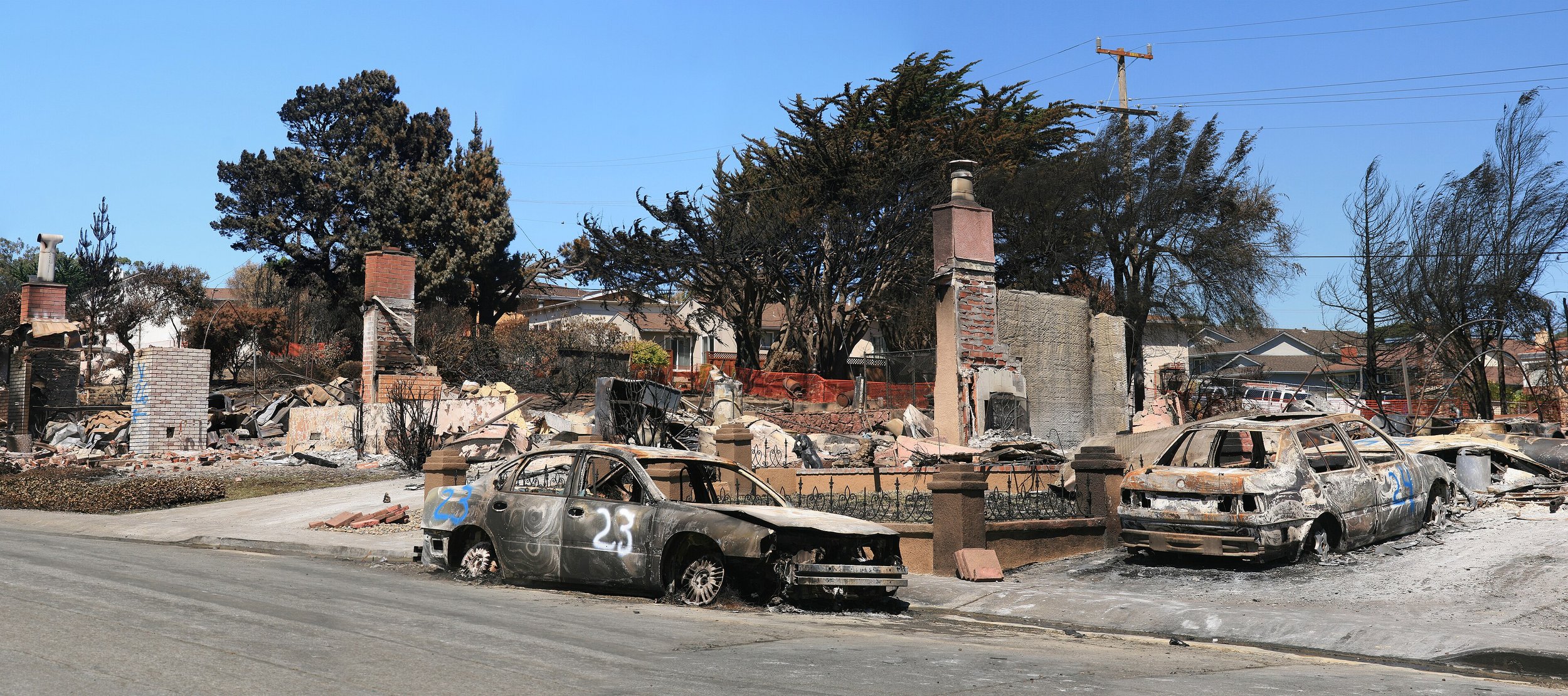
Destruction after fire and explosion in San Bruno - photo: Wikipedia
In Orange County, a Grand Jury review found problems tied to emergency coordination and communication, especially around delivering clear public information across multiple jurisdictions during Canyon Fire 2 fast moving incidents. That matters because OES is supposed to be the connective tissue between agencies, jurisdictions, and the public. When communication systems are strained or fragmented, the public feels it first.
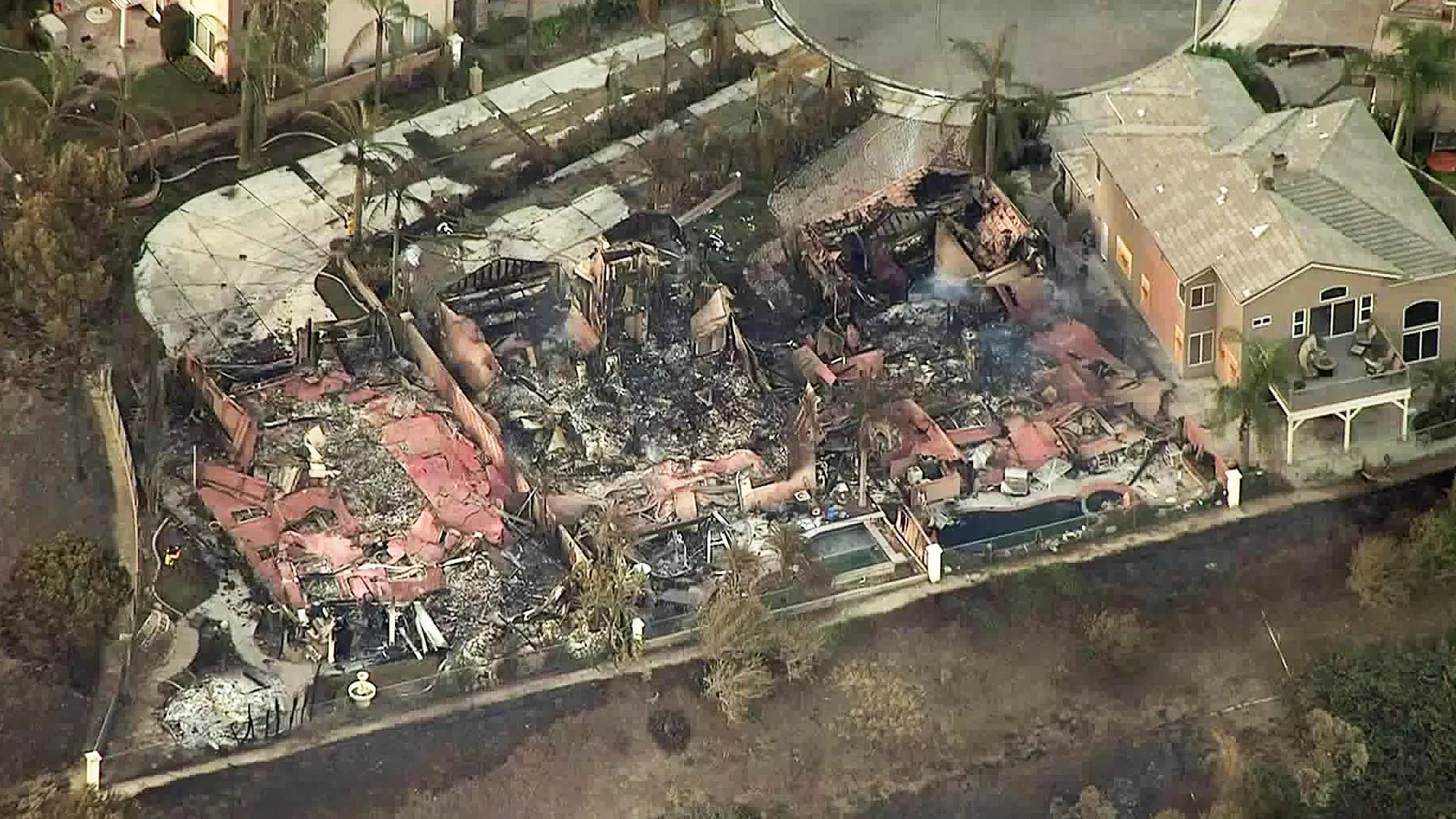
Three homes destroyed by Canyon Fire 2, Oct. 10, 2017. photo: KTLA
Their conclusion was straightforward. Multiagency coordination needs to be strengthened, not complicated. https://ocgrandjury.org/sites/jury/files/2023-07/2019-06-19_GJ_EOC_Report.pdf
These are not failures of leadership. They are examples of what happens when emergency management loses focus as an independent coordinating function.
The Real Risk
When OES is placed inside another department, even a strong one, a pattern shows up
Coordination becomes less balanced
Long term planning gets pushed aside
Follow through on preparedness efforts slips
Leadership gets stretched too thin
Not because people are failing. Because the structure is asking too much from one place.
Why This Matters Here
Tuolumne County is not a large system with layers of redundancy. We are a rural county with wildfire risk, limited staffing, and heavy reliance on state and federal coordination
We need OES focused on preparedness, communication, and coordination across every agency
That requires independence and attention.
A Better Path
If the goal is stronger emergency response, there are better ways to get there.
Keep OES positioned where it is. Where it can coordinate across all departments equally. Invest in stronger collaboration between OES, the Sheriff, Fire, and Public Works. And focus on function, not just structure.
What I think?
Sheriff Vasquez already carries an enormous responsibility and adding OES to that office does not strengthen the system. It increases the risk of overload.
At the same time, we have Dore Bietz, our OES Director who is already doing the job well, building systems, and bringing in outside funding to support this county. Strong emergency systems are built by making sure each part is focused, supported, and able to do its job well. We do not need to reinvent this. We need to learn from where it has already been tested and where it has already shown cracks.
Let’s get this right.